The industrial manufacturing landscape is undergoing a massive digital transformation. As global supply chains modernize and Industry 4.0 becomes the standard, the way manufacturing brands market their capabilities has to evolve too.
Gone are the days when a generic, long-form factory tour with a monotonous voiceover was enough to win clients. Today, international procurement heads, B2B decision-makers, and CXOs expect high-impact, technologically advanced visual assets before they even consider shortlisting a vendor.
If you want your manufacturing unit or engineering brand to command authority in the global market, here are the emerging trends in industrial video production you must adopt to stay ahead of the competition.
1. Cinematic Drone Integration (Indoor and Outdoor)
Drone videography isn’t new, but the way it is being used in industrial settings has changed dramatically. Heavy manufacturing brands are no longer using drones just to get a standard top-down view of their factory sheds.
FPV (First-Person View) Indoor Flythroughs: Specialized micro-drones are now being flown directly inside the production floor. They can seamlessly glide through tight assembly lines, zoom past automated robotic arms, and dive into heavy machinery sections. This creates a highly immersive, single-take virtual site tour that instantly captures the scale and energy of your shop floor.
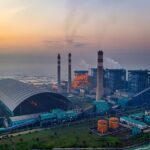
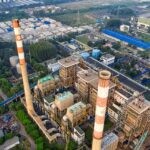
Highlighting Massive Infrastructure: For heavy engineering, infrastructure, and cement giants, high-resolution drone footage is being used to track large-scale plant expansions and raw material yards, projecting a premium global image.
2. Ultra-Realistic 3D Product and Process Explainers
Sometimes, the most impressive parts of your manufacturing process happen inside a machine where a traditional camera lens cannot reach. Whether it’s a high-temperature chemical reaction, the internal mechanism of a complex valve, or an intricate electronic assembly, physical filming has its limits.
X-Ray and Cutaway Views: Manufacturers are heavily investing in 3D industrial animation to complement their live-action films. By showing a 3D cutaway view of how a component functions internally, you can explain complex engineering concepts to a buyer in seconds.
Visualizing Prototype Capabilities: Before a new plant expansion or machinery line is even fully operational, 3D explainer videos allow sales teams to pitch upcoming production capacities to investors and clients ahead of time.
3. High-Contrast Technical Lighting for Dark Shop Floors
Traditionally, industrial videos looked dull, dark, and industrial in the wrong way, think flickering tube lights and greasy, shadowed machinery. The emerging trend borrows advanced cinematography techniques from high-end commercial filmmaking.
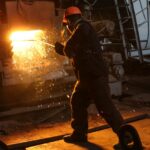
Stylized Industrial Aesthetics: Professional corporate video agencies are now bringing cinematic, high-contrast LED lighting setups to the factory floor. By intentionally lighting specific metallic textures, spark-cutting processes, and automated lines, they make heavy industrial spaces look like clean, futuristic, and ultra-premium facilities.
Emphasizing Cleanroom Standards: In sectors like pharma or electronics manufacturing, premium lighting is crucial to highlight the pristine, dust-free nature of cleanrooms, signaling absolute compliance to global clients.
4. Hyper-Short Video Repurposing for LinkedIn
The way B2B decision-makers consume content has drastically shifted. While a master 3-to-5-minute industrial process film is essential for your website or boardroom meetings, busy CXOs rarely watch long videos while scrolling through social media.
Bite-Sized Executive Clips: The trend is to break down one comprehensive factory video into 10 to 12 short, vertical, or square clips tailored specifically for LinkedIn outreach.
Focus on Specific Hooks: Each short clip focuses on just one key highlight, such as a single high-speed robotic process, a quick quality control test sequence, or a 30-second employee spotlight. This strategy ensures continuous visibility and top-of-mind recall among prospective corporate clients.
5. Designing for Silent Video Consumption
Go to any major industrial expo or scroll through LinkedIn, and you will notice one thing: most people watch videos with the sound turned off. If your video completely relies on a heavy background voiceover to explain your machinery specs, your message is getting lost.
Typography-Driven Narrative: Modern industrial films are now designed to be “silent-first.” They utilize bold, high-contrast, kinetic typography and motion graphics right on the screen.
Visual-First Specifications: Key metrics like “Production Capacity: 50,000 Units/Month” or “Tolerance Level: 0.01mm” are animated directly next to the running machine, making the technical capability instantly readable even on a chaotic, noisy trade show floor.
Industrial video production is no longer just a checkbox item for your marketing department; it is a direct reflection of your company’s engineering capability and corporate reputation. Cheap, outdated videos tell global buyers that your facility might be outdated too.
By adopting these emerging trends like immersive drone flythroughs, cinematic lighting, and sharp LinkedIn edits you transform your factory floor into an elite sales asset that commands respect, builds immediate trust, and drastically accelerates your B2B sales cycle.