For decades, the standard marketing toolkit for any manufacturing unit, heavy engineering firm, or B2B brand consisted of three things: a printed product catalog, a colorful trifold brochure, and a PowerPoint pitch deck.
While these text-heavy documents are still useful for sharing technical dimensions or part numbers, they are no longer enough to win high-value commercial contracts. Today’s B2B buyers, ranging from corporate procurement heads to global machinery importers, are highly skeptical. They know that anyone can hire a graphic designer to make an average workshop look like a world-class facility on paper.
In a market where trust is the ultimate currency, visual proof is everything. Here is a realistic look at why modern B2B decision-makers heavily trust professional industrial videos over traditional printed brochures.
1. Brochures Can Hide Flaws; Videos Show Real Infrastructure
A brochure is static, highly edited, and easily manipulated. A clever camera angle or a photoshopped image can make a cramped, unorganized workshop floor look pristine and spacious. Buyers are fully aware of this marketing trick, which breeds immediate skepticism.
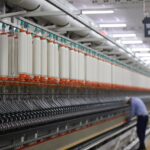
A professional factory tour video or corporate film offers complete transparency. It acts as a live, virtual site visit. When a high-end camera tracking shot glides down your central shop floor corridor or a drone captures the entire expanse of your raw material processing yard, there is nowhere to hide. Buyers can see the actual layout, the cleanliness of the aisles, and the authentic scale of your operations, which instantly builds psychological trust.
2. Videos Prove Operational Capability and Volume Capacity
A printed catalog can easily list impressive specifications like “Production Capacity: 50,000 units per month.” However, reading a line of text doesn’t mitigate a buyer’s fear of a sudden supply chain bottleneck. They need to be sure that your facility has the muscle to meet sudden demand spikes.
An industrial video shows that capability in motion. Watching a row of automated CNC machines cutting precision parts, multi-ton hydraulic presses shaping raw steel, or high-speed robotic assembly arms working in perfect harmony provides undeniable proof of volume capacity. It transforms a verbal claim into a visual reality that a procurement head can confidently take to their internal board.
3. Videos Highlight Strict Quality Compliance and Safety Standards
For global exporters and institutional buyers, risk mitigation is everything. A factory that operates on poor safety protocols or casual quality control parameters is a massive financial and legal liability. A static brochure can display an ISO logo, but it cannot show your operational discipline.
An industrial process film allows you to visually emphasize your strict compliance standards:
Enforced Safety Protocols: Buyers can see your entire workforce equipped with clean, proper Personal Protective Equipment (PPE) such as helmets, high-vis jackets, and safety goggles.
Airtight Testing Facilities: A dedicated segment showing your quality assurance (QA) labs where engineers use digital measuring gauges, stress-testing rigs, or spectrometers to audit final products proves your zero-defect commitment.
4. Videos Simplify Complex Technical Workflows
Explaining a custom manufacturing process, a proprietary automation layer, or a complex engineering workflow through paragraphs of text and static diagrams is incredibly difficult. It requires the buyer to spend valuable time deciphering technical jargon, which slows down their decision-making.
A well-scripted B2B corporate video simplifies the complex. By pairing live-action footage of the machinery with clean motion graphics or 3D cutaway animation, you can explain an intricate engineering concept in a matter of seconds. It respects the busy buyer’s time, handles technical objections smoothly, and actively works to shorten the long B2B sales cycle.
In the heavy industrial and B2B landscape, buyers don’t buy products; they buy your company’s reliability, scale, and capability. Brochures tell buyers what you claim to do, but a professional corporate film shows them exactly how you do it.
Investing in high-end video production isn’t just about modernizing your marketing; it is about building a foolproof sales enablement tool that eliminates buyer friction, establishes immediate global credibility, and turns digital traffic into high-converting corporate RFQs.